
quality(75))
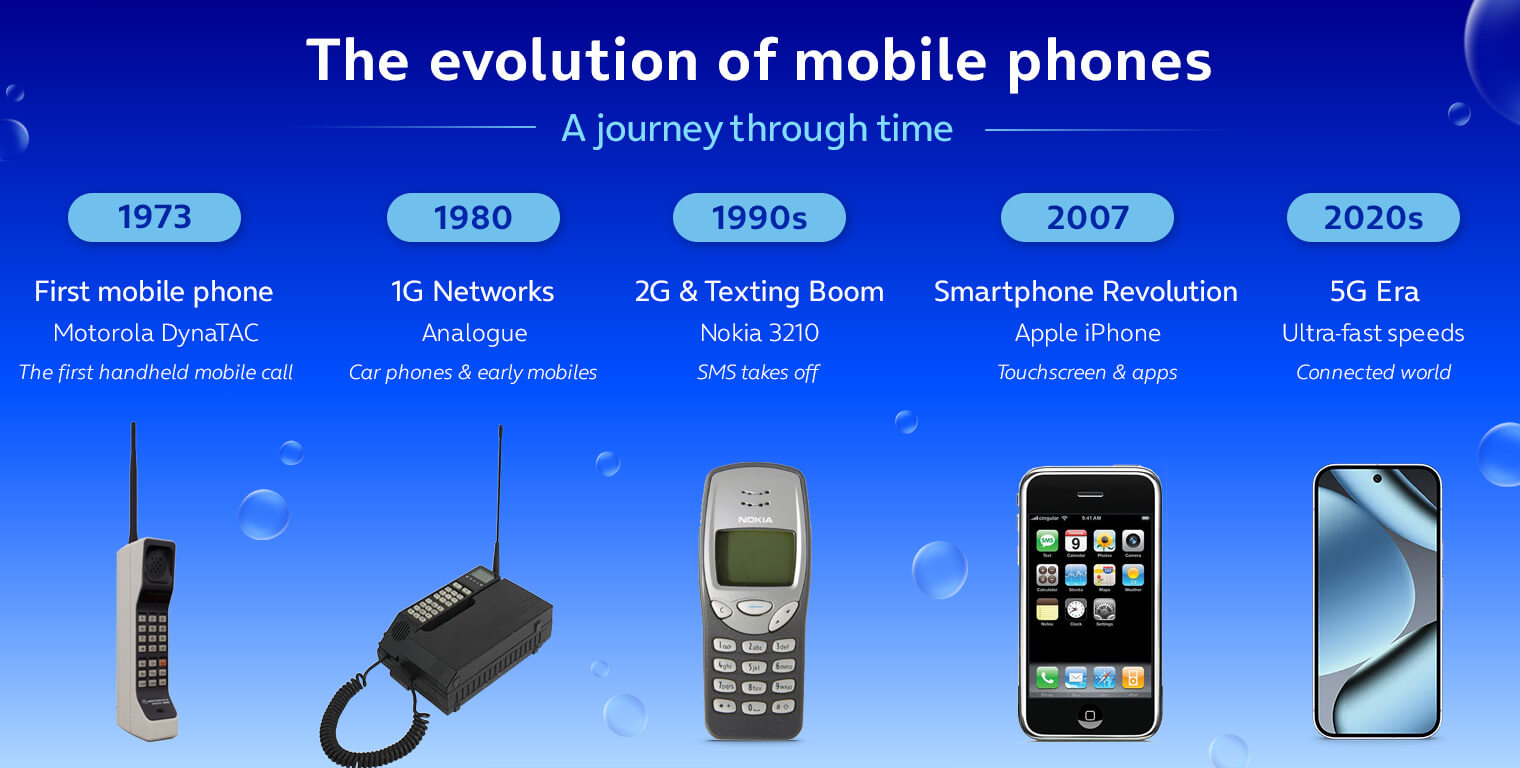
The first handheld mobile phone was demonstrated on 3 April 1973 by Motorola engineer Martin Cooper. The first commercial handheld mobile phone, the Motorola DynaTAC 8000X, was approved in 1983 and became available to buy in 1984.
That first phone was very different from the ones we use today. It was big, heavy and built for one job: making calls away from a fixed phone line. No camera. No apps. No maps. Not even Snake to pass the time.
But it changed what phones could be.
This guide looks at who invented the first mobile phone, when mobiles became popular and how each network generation helped turn phones into the everyday devices we use for calls, messages, photos, work, entertainment and more.
Quick answer: when was the first mobile phone invented?
The first handheld mobile phone was invented and demonstrated in 1973.
Here are the key dates:
• 1973: Motorola engineer Martin Cooper made the first public call from a handheld mobile phone prototype
• 1983: the Motorola DynaTAC 8000X was approved as the first commercial handheld mobile phone
• 1984: the DynaTAC 8000X became available to buy
• 1990s: mobile phones became smaller, cheaper and more popular
• 2007: the iPhone helped shape the modern smartphone era
So, the short answer is 1973. But the first mobile phone most people could actually buy arrived around 10 years later.
What came before the first mobile phone?
Before handheld mobile phones, wireless communication mostly happened through radio systems.
By the 1940s, some vehicles could use radiotelephone systems. These were often used by emergency services, taxi companies, military teams and some businesses. They were useful but they were not personal mobile phones.
Early systems had some clear limits:
• Equipment was large and power-hungry
• Calls often needed manual switching
• Only a small number of people could use the network at once
• Coverage was limited
• Voice quality could be patchy
To make mobile phones work for more people, networks needed a better structure. That’s where cellular technology came in.
How cellular networks changed everything
A cellular network divides a large coverage area into smaller areas called cells. Each cell has its own base station.
As someone moves around, their call can move between cells. This means networks can handle more people at once and reuse radio frequencies in different areas.
Cellular networks made mobile phones more practical because they helped with:
• Wider coverage
• Better call handling
• More network capacity
• More reliable mobile calls
• Room for future services like texts and mobile internet
Without cellular networks, mobile phones would probably have stayed as specialist vehicle-based radio systems.
Who invented the first mobile phone?
The first handheld mobile phone is widely credited to Motorola.
On 3 April 1973, Motorola engineer Martin Cooper made the first public call from a handheld mobile phone prototype in New York. The call was made to Joel Engel at Bell Labs, one of Motorola’s main rivals at the time.
Subtle? Not really. Historic? Absolutely.
The prototype later helped lead to the Motorola DynaTAC range.
Why the first mobile phone call mattered
The 1973 call showed that a phone could be:
• Handheld
• Portable
• Personal
• Used outside a car
• Connected through a cellular network
It was not ready for everyday use yet but it proved the idea worked.
What was the first mobile phone like?
The first handheld mobile phone prototype was much bigger and heavier than a modern phone.
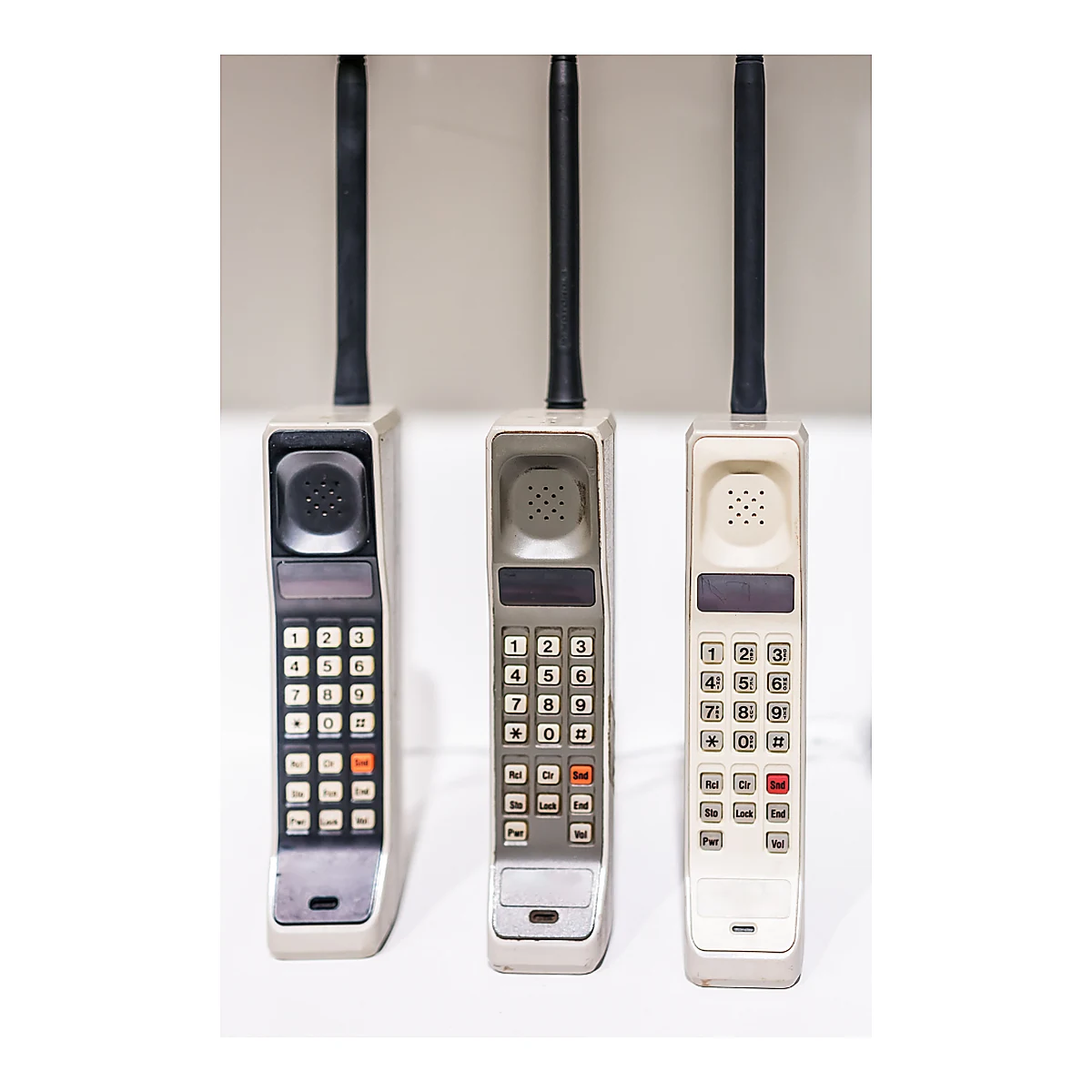
It weighed more than a kilo, offered around 30 minutes of talk time and took hours to charge. It was built for voice calls only, so there were no texts, apps, photos or internet browsing.
The later Motorola DynaTAC 8000X was still large and expensive. It became known as the ‘brick phone’ because of its size and shape.
How the first mobile phone compares to phones today
| Feature | Early handheld mobile phone | Modern phone |
|---|---|---|
| Main use | Voice calls | Calls, messages, apps, camera, maps, payments and more |
| Battery life | Short talk time | All-day use on many models |
| Size | Large and heavy | Slim enough to fit in your pocket |
| Network | Early cellular technology | 4G and 5G on many phones |
| Price | Very expensive | Available across a wide range of prices |
When did the first mobile phone go on sale?
The Motorola DynaTAC 8000X was approved in 1983 and became available to buy in 1984.
It was the first commercial handheld mobile phone. But it was not a phone for everyone. It cost thousands of dollars, had limited battery life and worked on early mobile networks that were still being built out.
Why early mobile phones were not popular straight away
Early mobile phones were held back by:
• High prices
• Expensive call costs
• Limited coverage
• Large designs
• Short battery life
• Few features beyond calls
They were useful for some business users but too expensive and limited for most people.
1G: the first generation of mobile networks
1G was the first generation of mobile network technology. It arrived in the 1980s and used analogue signals for voice calls.
1G helped make mobile calls possible on a wider scale but it was still basic compared with today’s networks.
What 1G offered
• Mobile voice calls
• Early cellular coverage
• The first step towards mobile communication for more people
What 1G could not do
• Send texts
• Browse the internet
• Support mobile apps
• Offer strong call security
• Match the call quality of later digital networks
1G was the start. 2G was the point where things really began to change.
2G: digital calls and text messages
2G arrived in the 1990s and moved mobile networks from analogue to digital technology.
This made calls clearer, helped networks support more users and allowed phones to become smaller and more efficient.
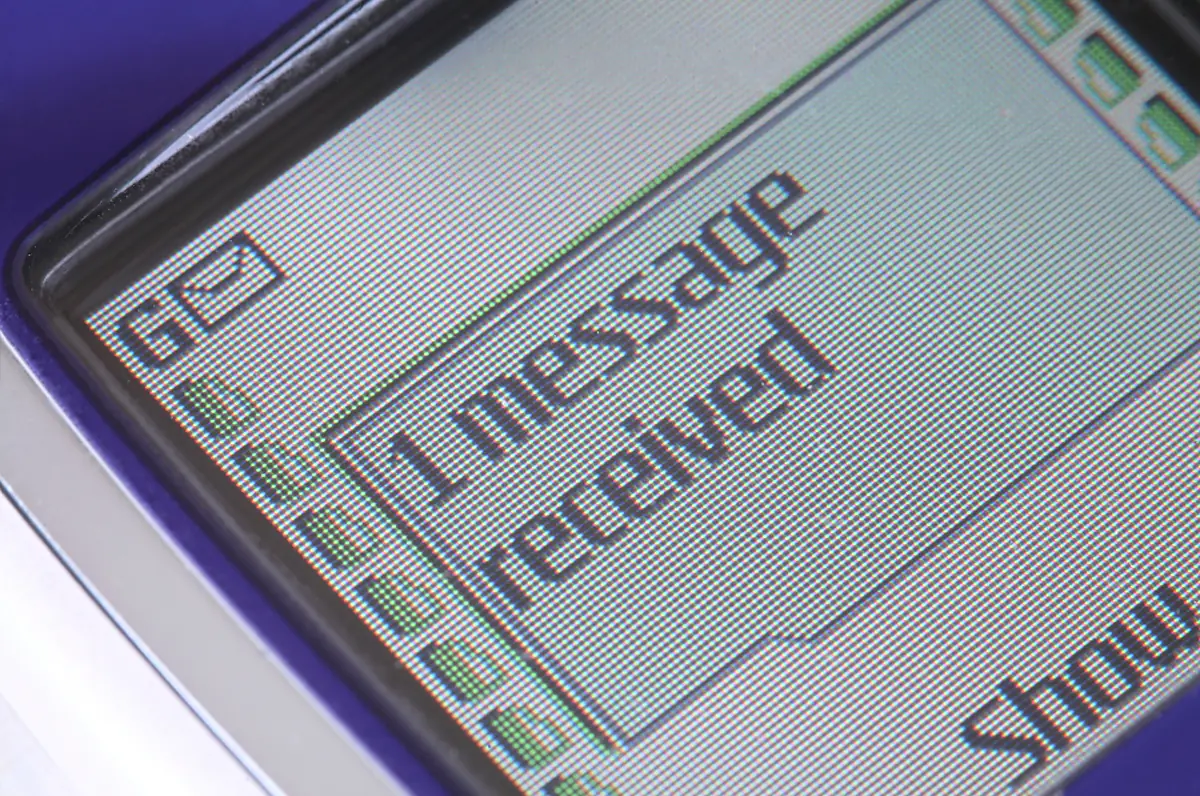
2G also introduced one of the biggest changes in mobile history: SMS text messaging.
What 2G changed
• Clearer calls
• Better security
• Smaller phones
• Longer battery life
• More efficient networks
• SMS text messages
When was the first text message sent?
The first SMS text message was sent in 1992 by British engineer Neil Papworth.
The message said ‘Merry Christmas’.
Texting quickly became one of the main ways people used their phones. It was short, cheap and easy. Before messaging apps, SMS was the quickest way to send a note without making a call.
When did mobile phones become popular?
Mobile phones became popular in the mid-to-late 1990s and early 2000s.
There was not one single moment when everyone suddenly had a mobile. Growth happened because phones, networks and prices all improved at the same time.
Why mobile phones became mainstream
Mobile phones became more popular because:
• Phones became smaller and easier to carry
• Prices started to fall
• Pay As You Go made mobile access more flexible
• Network coverage improved
• Battery life got better
• Texting gave people a cheaper way to stay in touch
• More people started to see mobiles as useful in everyday life
By the early 2000s, mobiles were no longer just for business users. They were becoming normal for families, teenagers and anyone who wanted to stay connected on the go.
The Nokia years
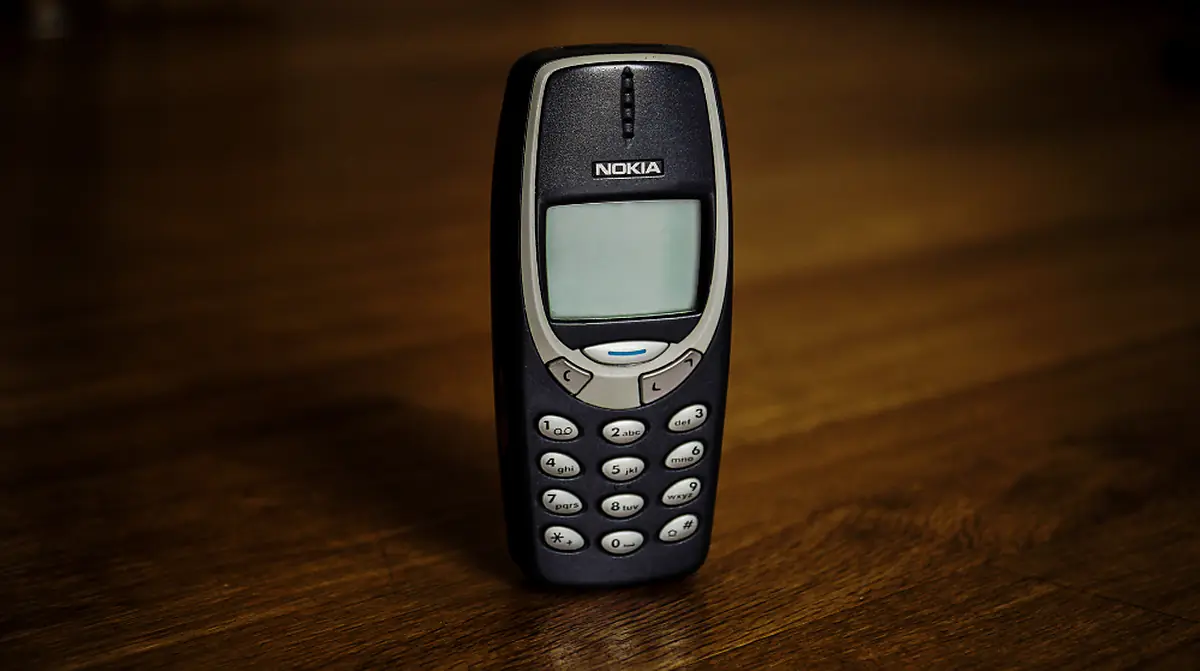
In the late 1990s and early 2000s, Nokia became one of the best-known names in mobile phones.
Nokia phones were popular because they were simple, reliable and built to last. Models like the Nokia 3310 became part of everyday culture, helped by long battery life, custom ringtones and games like Snake.
For many people, this was when their phone started to feel personal.
Why Nokia phones stood out
• Simple menus
• Strong battery life
• Compact designs
• Durable hardware
• Custom ringtones
• Built-in games
They were not modern smartphones but they helped make mobile phones feel familiar, useful and fun.
3G: phones meet the mobile internet
3G arrived in the 2000s and made mobile internet more practical.
Before 3G, phones could handle some basic data services. But 3G made it easier to browse the web, send email and use richer mobile services.
What 3G made possible
• Mobile web browsing
• Email on the go
• Video calling
• Multimedia messages
• Early app-style services
• Better access to online content
This was when phones started to become more than calling and texting devices.
BlackBerry and the rise of mobile work
Before touchscreen phones took over, BlackBerry was one of the biggest names in mobile technology.
BlackBerry phones were especially popular with business users because they made email easy to manage on the move. Their physical keyboards also made typing faster than on standard number pads.
Why BlackBerry became popular
• Push email
• Physical QWERTY keyboards
• Strong security features
• BlackBerry Messenger
• A clear focus on work
BlackBerry helped create the idea that a phone could be a work tool, not just something for calls and texts.
What was the first smartphone?
There is no single answer everyone agrees on because the word ‘smartphone’ has changed over time.
Some early devices in the 1990s combined calls with organiser tools, email and calendar features. The IBM Simon is often described as one of the first smartphone-style devices.
But the modern smartphone era is usually linked to the late 2000s, when large touchscreens, app stores and faster mobile internet changed what people expected from their phones.
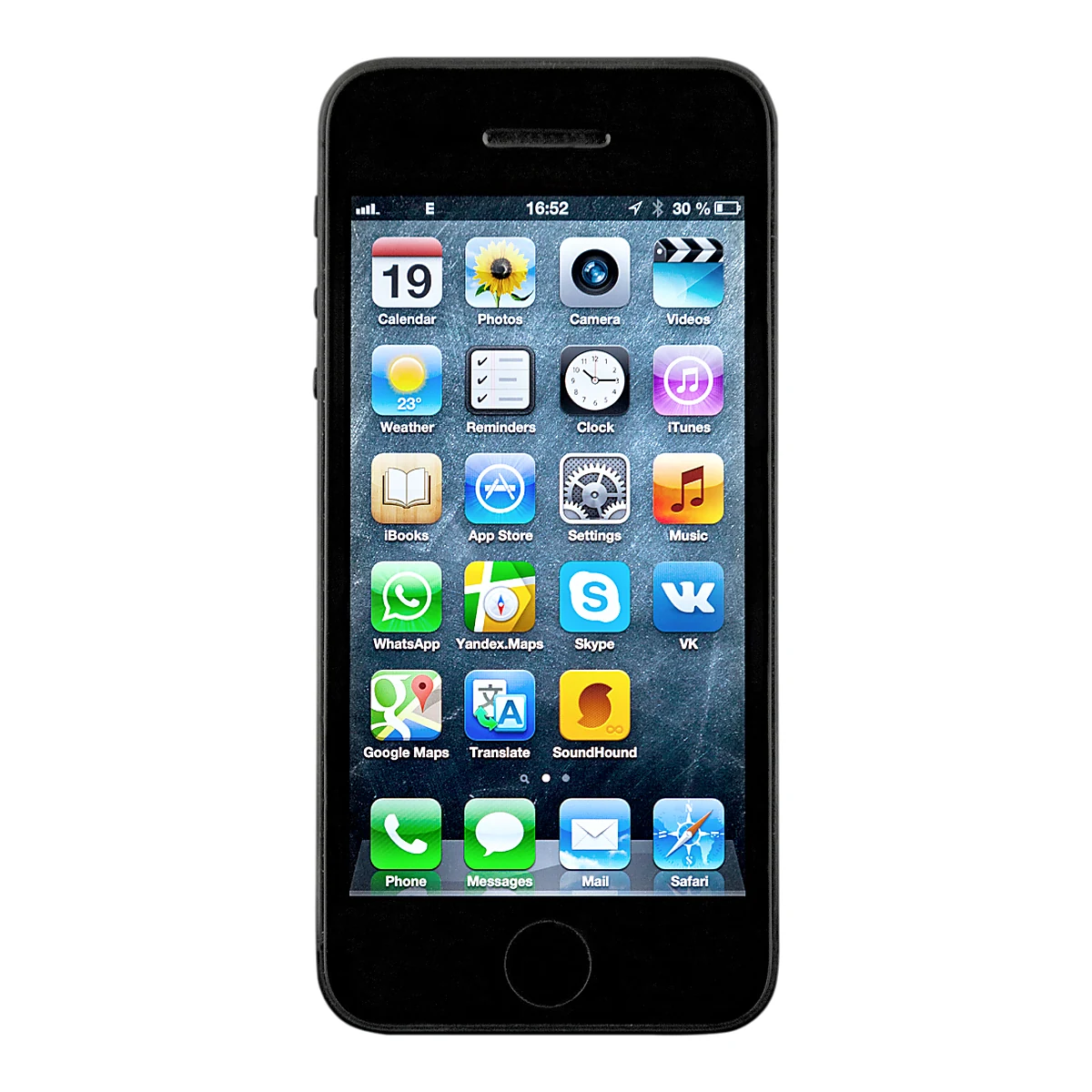
2007: the iPhone changes what phones can do
The iPhone launched in 2007 and helped reshape the mobile industry.
Touchscreen phones existed before the iPhone but Apple helped make the full-screen, app-led design the model many phones would follow.
What changed with the iPhone
• A large touchscreen
• Fewer physical buttons
• Easier web browsing
• A strong focus on apps
• A more visual way to use a phone
• Better music, photos and media features
The phone was no longer just a device with fixed features. It became a platform that could keep changing through apps and software updates.
Android and more smartphone choice
Android became the other major force in smartphones.
It gave brands like Samsung, Motorola, Sony, HTC and Google a flexible platform for building touchscreen phones across different prices and designs.
Why Android mattered
Android helped make smartphones:
• Available from more brands
• More affordable at different price points
• More customisable
• Easier to scale around the world
• More competitive
This gave people more choice, whether they wanted a premium phone or something simpler.
4G: faster data and everyday streaming
4G arrived in the 2010s and made mobile data feel much faster.
With 4G, people could stream video, use social media, browse richer websites, play games and rely on cloud-based apps more easily.
What 4G helped support
• Faster downloads
• Smoother streaming
• Better video calls
• Mobile gaming
• Social media growth
• Cloud storage
• Working from a phone
This was when the phone became the main screen for many parts of everyday life.
5G: more speed, capacity and reliability
5G is the latest generation of mobile network technology after 4G.
It’s designed to offer faster internet speeds, lower latency and higher network capacity. That means it can support more connected devices and help keep data moving in busy places.
What 5G can help with
• Faster downloads
• Smoother streaming
• More reliable connections in busy areas
• Better mobile gaming
• Lower latency
• More connected devices
For most people, the biggest 5G benefits are speed, capacity and a better experience when lots of people are using the network at the same time.
How mobile phone design has changed
Mobile phones have changed a lot since the first handheld prototype.
Early mobile phones were big, heavy and focused on calls. Later phones became smaller, lighter and better for texting. Modern phones are built around screens, cameras, apps and mobile internet.
From buttons to touchscreens
Older phones used keypads and small screens. Modern phones use large touchscreens, making it easier to browse, watch, message, play and work.
From basic cameras to pocket photography
Early camera phones took simple, low-quality photos. Modern phones can include multiple lenses, night modes, portrait effects and high-quality video recording.
For many people, their phone has replaced the compact camera.
From calls to digital life
Today’s phones can help with:
• Banking
• Shopping
• Maps and travel
• Music and video
• Messaging
• Work
• Health and fitness
• Photos and storage
• Tickets and payments
Not bad for something that started as a very expensive way to make a call.
How mobile phones changed everyday life
Mobile phones have changed how people communicate, work, travel, shop and relax.
Communication
Mobiles made it easier to stay in touch from almost anywhere. Calls and texts were followed by messaging apps, video calls, group chats and voice notes.
Work
Phones made work more flexible. People can check emails, join calls, approve documents and use two-factor authentication without being at a desk.
Useful, yes. Also the reason ‘I’ll just check one email’ is a trap.
Travel
Phones replaced paper maps, printed tickets, travel guides, phrasebooks and even some boarding passes.
Entertainment
Phones changed how people listen to music, watch videos, play games, read news and use social media.
Money and shopping
Mobile banking, digital wallets and shopping apps turned phones into everyday financial tools.
Mobile phone history timeline
| Year | Milestone |
|---|---|
| 1940s | Vehicle-based radiotelephone systems start to develop |
| 1973 | Motorola demonstrates the first handheld mobile phone prototype |
| 1983 | The Motorola DynaTAC 8000X is approved as the first commercial handheld mobile phone |
| 1984 | The Motorola DynaTAC 8000X becomes available to buy |
| 1980s | 1G networks support early mobile voice calls |
| 1991 | The first official GSM call is made |
| 1992 | The first SMS text message is sent |
| Mid-to-late 1990s | Mobile phones become smaller, cheaper and more popular |
| 2000s | 3G makes mobile internet more practical |
| 2007 | The iPhone helps shape the modern smartphone era |
| 2010s | 4G makes faster mobile data part of everyday life |
| 2020s | 5G brings faster speeds, lower latency and higher network capacity |
Frequently asked questions
When was the first mobile phone invented?
The first handheld mobile phone was invented and demonstrated in 1973 by Motorola engineer Martin Cooper.
Who invented the first mobile phone?
Motorola is widely credited with inventing the first handheld mobile phone. Martin Cooper made the first public call from a handheld mobile phone prototype on 3 April 1973.
What was the first mobile phone called?
The first commercial handheld mobile phone was the Motorola DynaTAC 8000X. It was approved in 1983 and became available to buy in 1984.
When did mobile phones become popular?
Mobile phones became popular in the mid-to-late 1990s and early 2000s. Falling prices, smaller designs, better coverage, Pay As You Go plans and text messaging all helped more people get connected.
When was the first text message sent?
The first SMS text message was sent in 1992 by British engineer Neil Papworth. The message said ‘Merry Christmas’.
What came first, 1G or 2G?
1G came first. It used analogue signals for voice calls. 2G followed in the 1990s and used digital technology, which helped improve call quality and support text messaging.
What is the difference between 4G and 5G?
4G made fast mobile data part of everyday life, helping with things like streaming, social media and video calls. 5G builds on this with faster speeds, lower latency and more network capacity.
Are older mobile phones still usable?
Some older phones still work for calls and texts but they may not support newer networks, apps or security updates. For faster data, better cameras and longer software support, a newer phone will usually give you a better experience.
So, when was the first mobile phone invented?
The first handheld mobile phone was invented and demonstrated in 1973. The first commercial handheld mobile phone was approved in 1983 and became available to buy in 1984.
Mobile phones became widely popular later, especially from the mid-to-late 1990s. Since then, each generation of mobile technology has made phones faster, smaller and more useful.
What started as a heavy device for making calls has become one of the most important pieces of technology in everyday life.
Looking for your next phone? Explore O2’s latest phones, iPhones and SIM Only plans.
You might also like
quality(75))
How to build a smart home on a budget
Build an effective smart home without breaking the bank
quality(75))
quality(75))